When looking to source premium freeze-dried fruit from China, overseas buyers usually face two major challenges: ensuring uncompromising food safety standards and finding a supplier with a stable, high-volume capacity.
As a globally recognized freeze-drying factory, we understand that your brand’s reputation relies entirely on the quality of your ingredients. Whether you are looking for bulk ingredients for food manufacturing, healthy snacks for retail, or custom OEM private labeling, this comprehensive guide will walk you through the essential steps of sourcing freeze-dried fruit from China—and how to avoid the most common pitfalls in international food procurement.
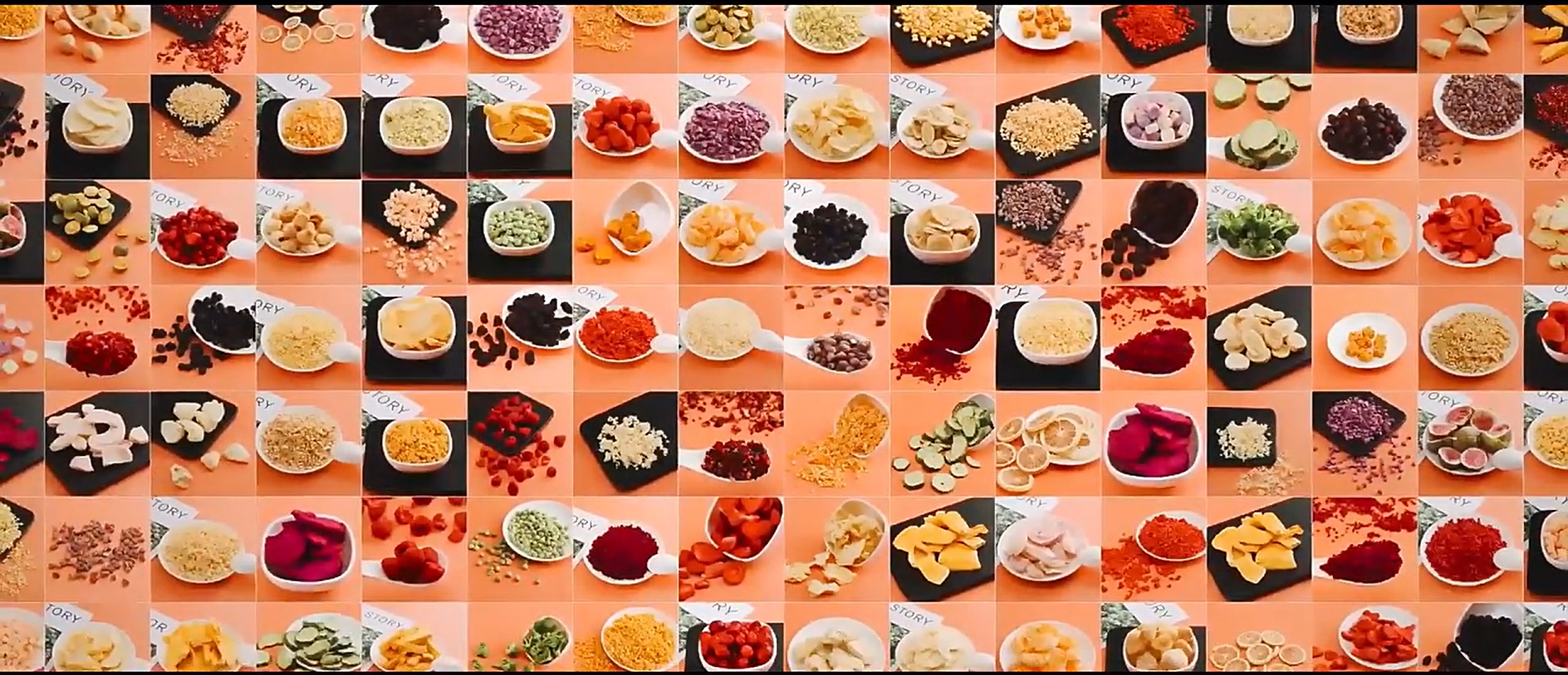
Sourcing freeze-dried (FD) fruit from China can significantly cut your product costs while maintaining premium quality. However, dealing with international food regulations and finding a reliable manufacturer requires a clear strategy. Here is the step-by-step process to successfully source freeze-dried fruit from China.
1. Define Your Product Specifications.
Before contacting Chinese suppliers, you must know exactly what you need. Freeze-dried fruits come in various forms and grades:
Forms: Whole fruits, slices, dices (e.g., 5x5mm, 10x10mm), segments, or fine powder.
Moisture Content: Typically needs to be under 5% to ensure a long shelf life.
Ingredients: Decide if you want 100% pure fruit or if your market allows added sugar or preservatives.
2. Verify Crucial Food Safety Certificates.
Food safety is the absolute #1 priority when importing into markets like the US, Europe, or Japan. Never work with a supplier that lacks proper documentation. Always ask the Chinese manufacturer for these globally recognized certificates:
GFSI-Recognized: BRCGS (BRC) or IFS (critical for European and UK buyers).
System Standards: HACCP and ISO 22000.
Special Markets: Kosher and Halal certifications.
US Market: Ensure the facility is registered with the FDA.
3. Evaluate the Raw Material Sourcing.
The quality of freeze-dried fruit depends entirely on the fresh fruit used. Ask the supplier:
Where do they get their fresh fruit? (e.g., local Chinese farms or imported?)
Do they have strict pesticide and heavy metal testing protocols?
Tip: Good manufacturers usually have their own contracted farmlands or strict supply chains to control traceability.
4. Understand Packaging and MOQ (Minimum Order Quantity).
Freeze-dried fruit is highly sensitive to moisture and light.
Bulk Packaging: Typically packed in double PE bags inside a sturdy corrugated carton (e.g., 5kg to 10kg per carton).
MOQ: Because running industrial freeze-drying chambers requires massive amounts of energy, manufacturers usually have a Minimum Order Quantity—often starting at 500kg to 1 ton per item.
5. Request Samples and Run Lab Tests:
Never place a large bulk order without testing samples first.
Visual Check: Look for vibrant, natural colors. Dull or brown colors mean poor processing.
Texture & Taste: It should be crispy and melt easily in your mouth, retaining the original fruit flavor.
Lab Testing: Send the samples to a third-party lab (like SGS or Eurofins) to test for moisture levels, pesticide residues, and microbiological safety according to your local country's laws.
6. Arrange Logistics Carefully:
Freeze-dried fruit is extremely lightweight but takes up a lot of space (high volume, low weight).
Shipping: Sea freight in standard containers is the most cost-effective method.
Moisture Control: Ensure the shipping containers are dry and properly sealed to avoid humidity damage during long ocean transit.
NRL FOOD is located in Tianjin, China, 30km from the Tianjin port. The total investment of the company is more than 20 million RMB. The existing staff is more than 50 people, all of which the core technicians have more than 5 years of snack products production experience. We have 8 advanced freeze dried production line, 20 vacuum fried production lines, 60 kinds of different fruit and vegetable chips, 1500 Ton fruit and vegetable chips annual. The products we supplied are certificated by HACCP, KOSHER......[ read more>>]